4.8 rating based on total orders
In stock and ready to ship
LIMITED SALE
SciptoBot Stem Toys For Kids (No Battery)
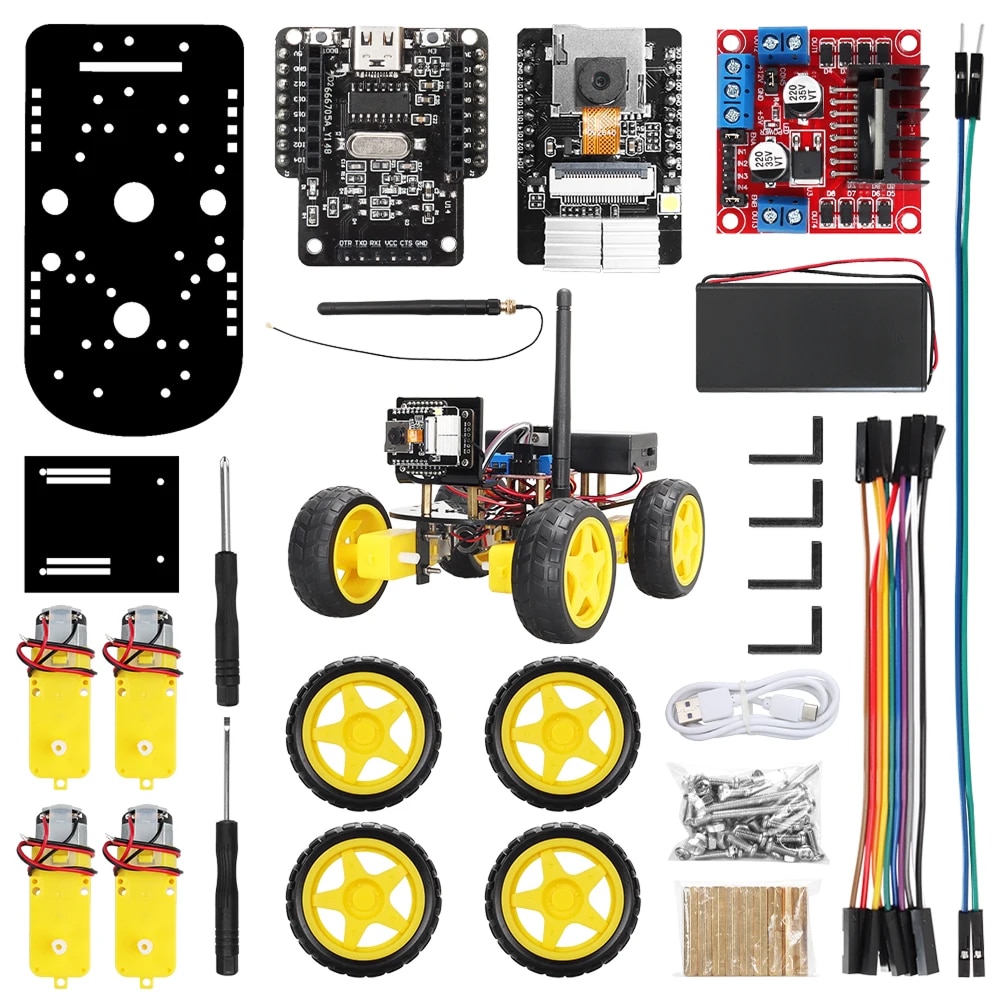
Complete Kit Set
Cable
Screws
User Manual
Packaging Box
Frequently Asked Questions
No prior experience needed. SciptoBot includes comprehensive tutorials and pre-written example codes. Beginners start with simple commands while the open-source platform supports advanced learners ready for custom programming projects.
SciptoBot requires two 18650 rechargeable lithium batteries (3.7v, not included). Both button-top and flat-top varieties work. This standard battery type is widely available and provides extended runtime for learning sessions.
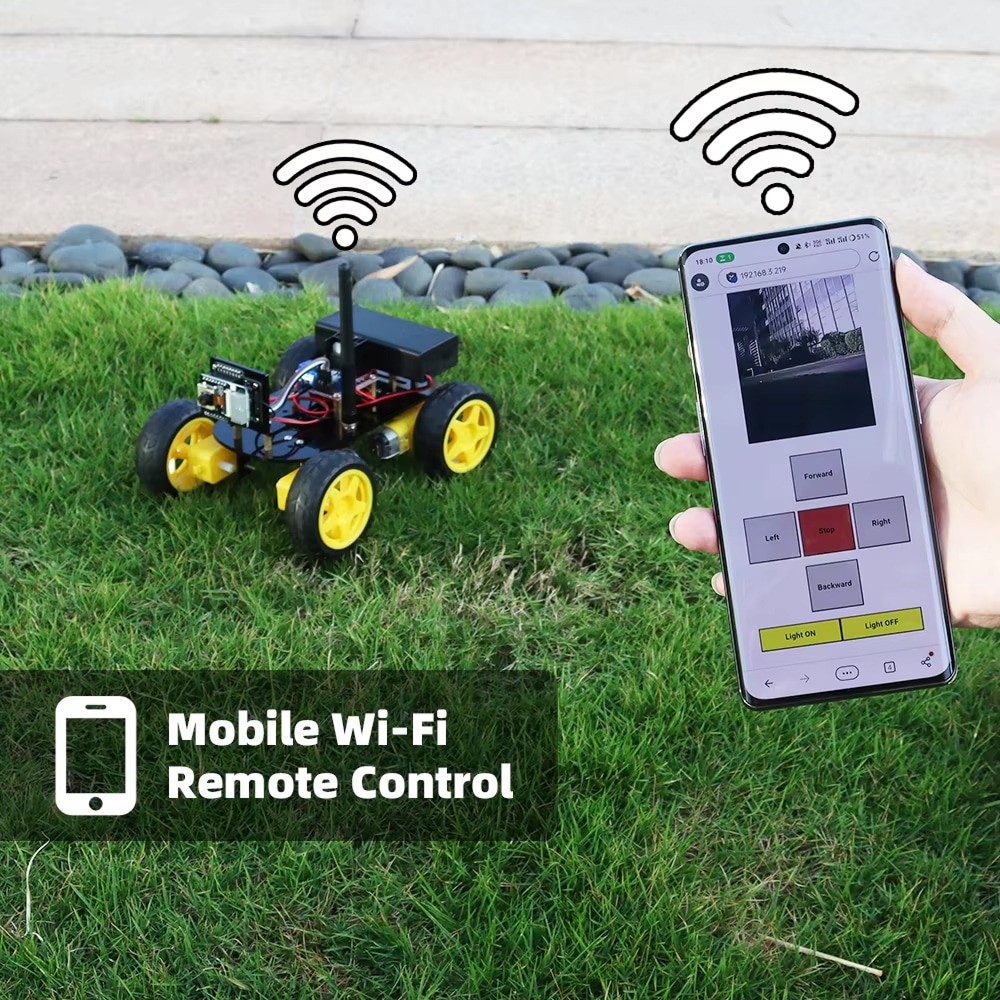
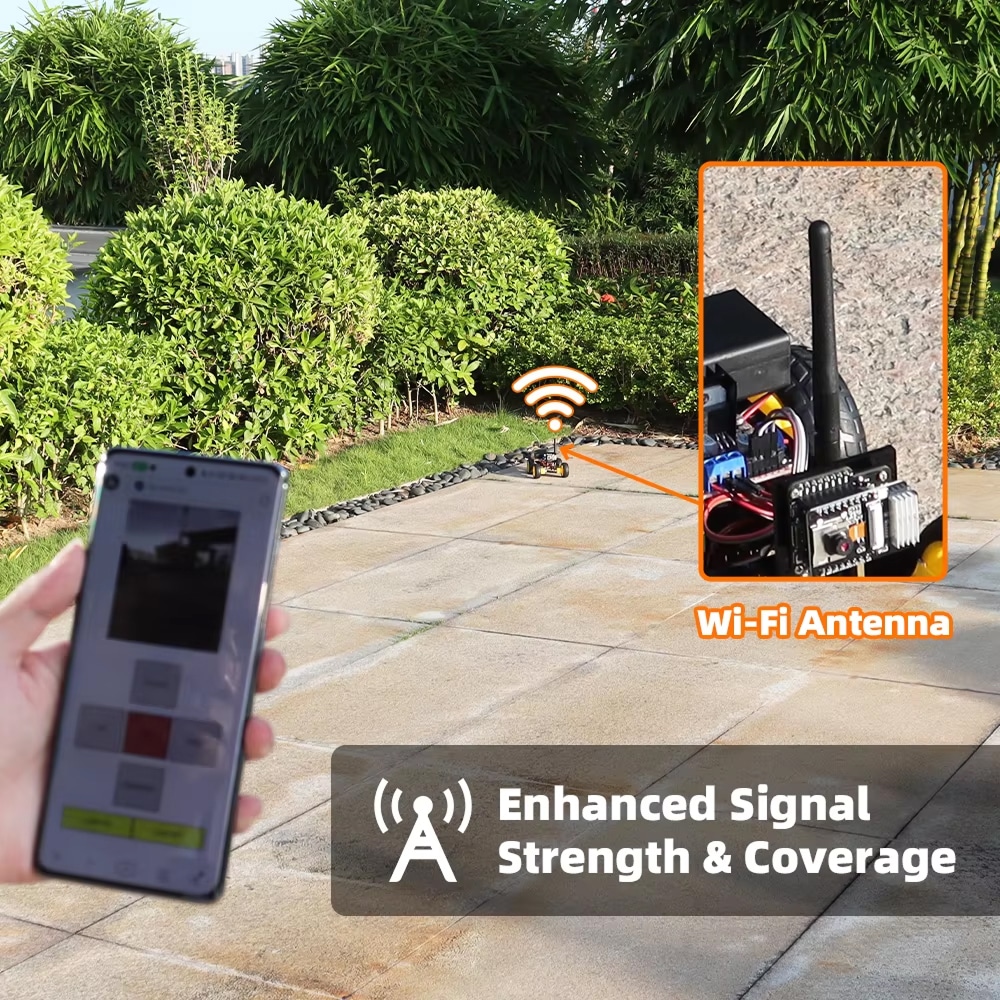
Yes, each SciptoBot creates its own WiFi network, preventing interference. Multiple units can operate simultaneously in classrooms or homes. The enhanced antenna ensures stable connections even with several robots running concurrently.
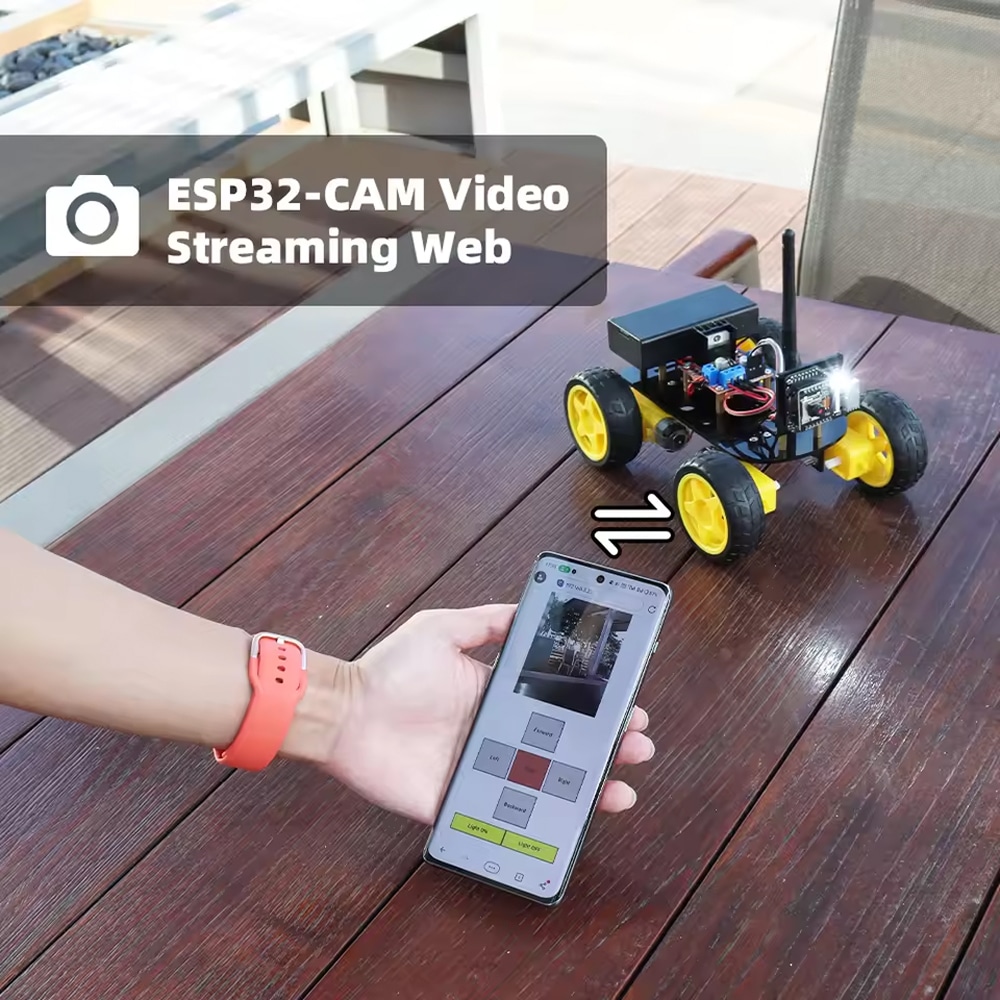
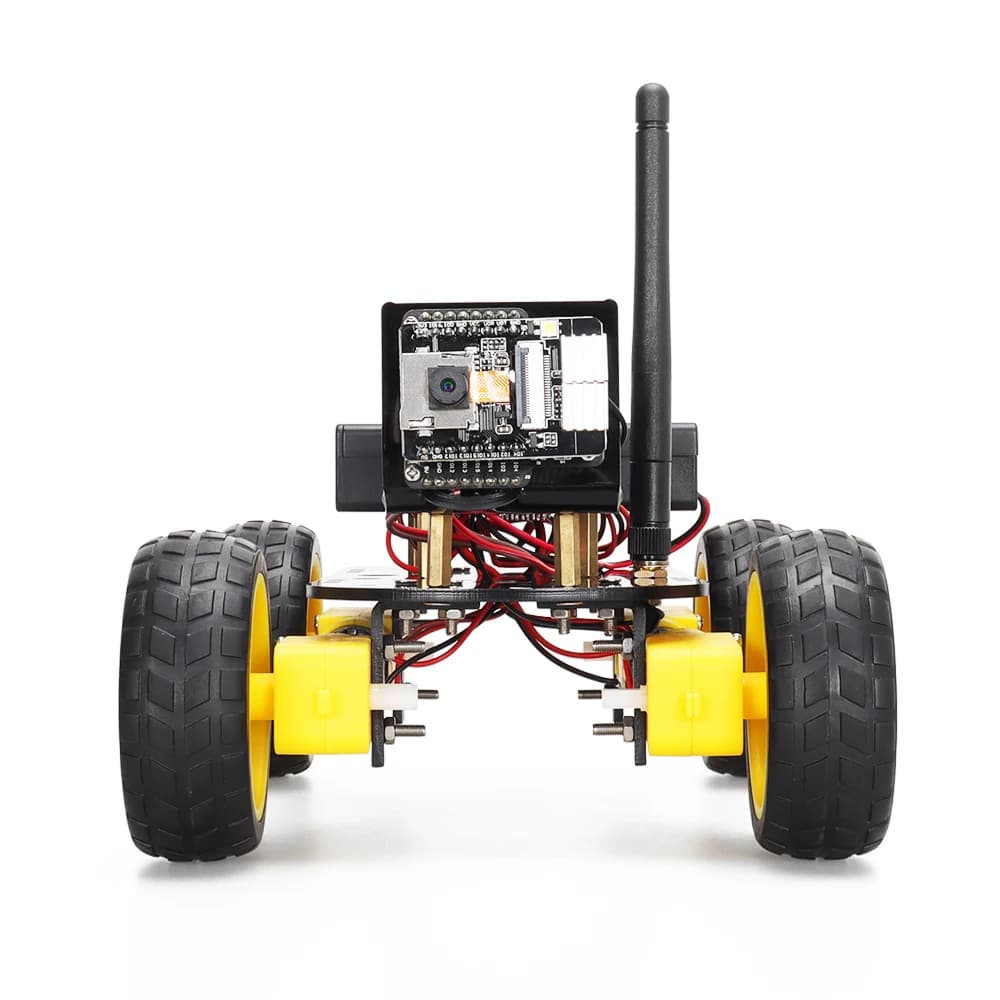
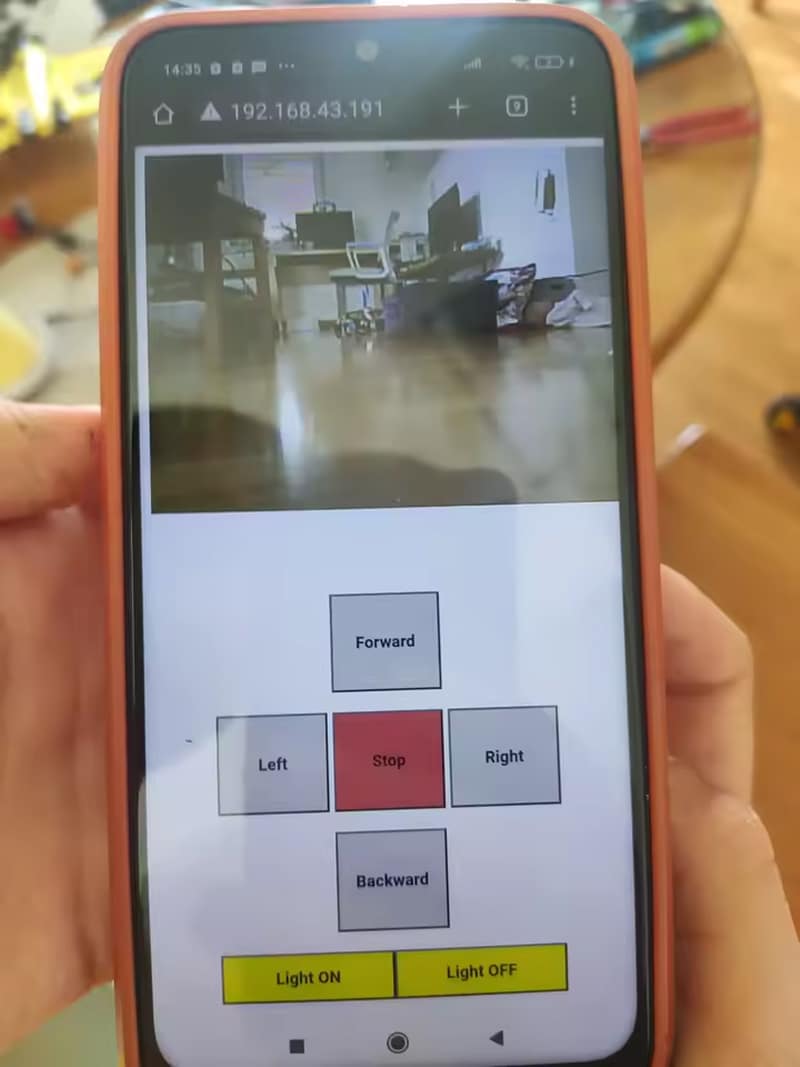
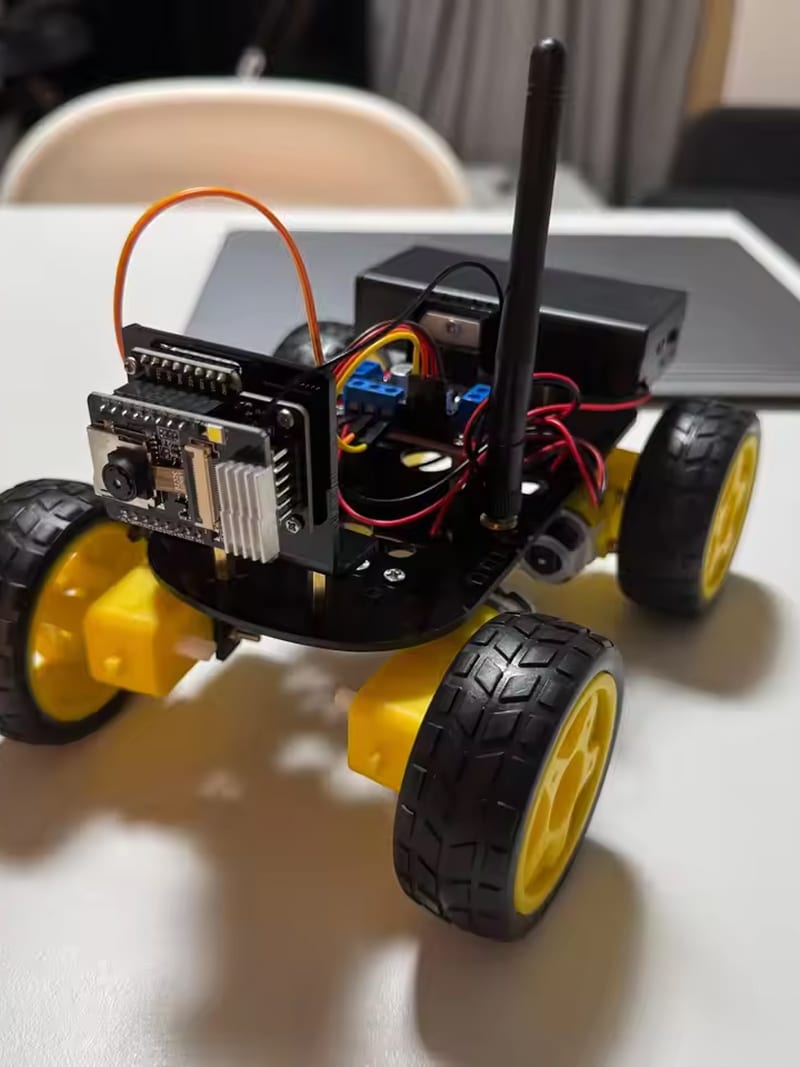
The ESP32 camera streams live video directly to your mobile device through the WiFi connection. Simply connect to the robot's network, open the app, and view real-time footage while controlling movements remotely.
The SciptoBot control app works seamlessly on both iOS and Android platforms. Download from your device's app store, connect to the robot's WiFi network, and access full control features including movement and camera viewing.

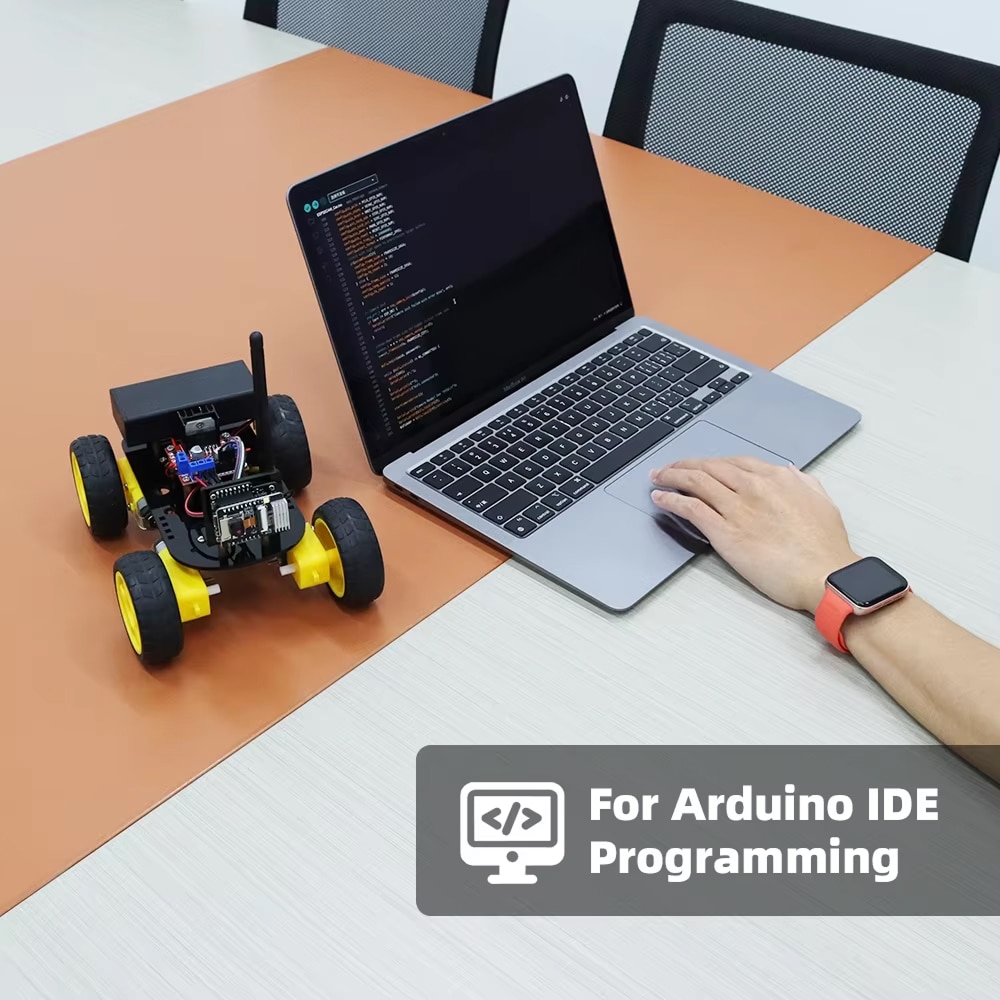
SciptoBot supports Arduino IDE programming using C/C++ language. The open-source platform allows customization and integration with Arduino libraries, providing authentic coding experience with a professional development environment used by engineers worldwide.
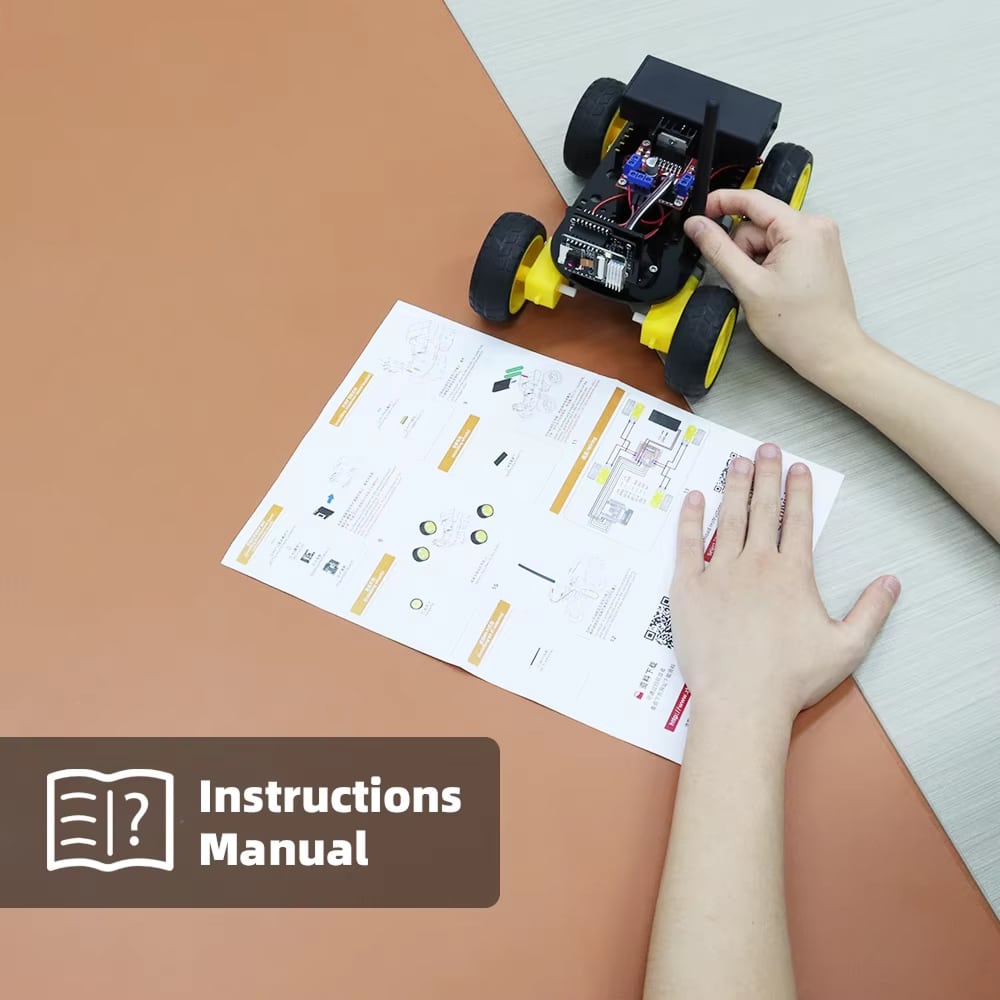
Most builders complete assembly in 30-45 minutes following the included guide. The kit features clear instructions and labeled components. Younger children may need adult assistance, making it an excellent bonding activity for families.
Absolutely. SciptoBot can be programmed for autonomous operation including line following, obstacle avoidance, and pre-set movement patterns. Upload custom programs that run independently, teaching kids about automation and sensor-based decision making.